Where to Buy a Grain Dryer UK: Amazon, Specialist Retailers & Farmer's Markets Compared
If you're growing grains at home—whether it's wheat, barley, oats, or specialty heritage varieties—you'll need to dry them properly before storage or milling. But where do you actually buy a grain dryer in the UK? The options range from mainstream convenience to specialist agricultural suppliers, each with distinct trade-offs in cost, expertise, and reliability.
Amazon UK
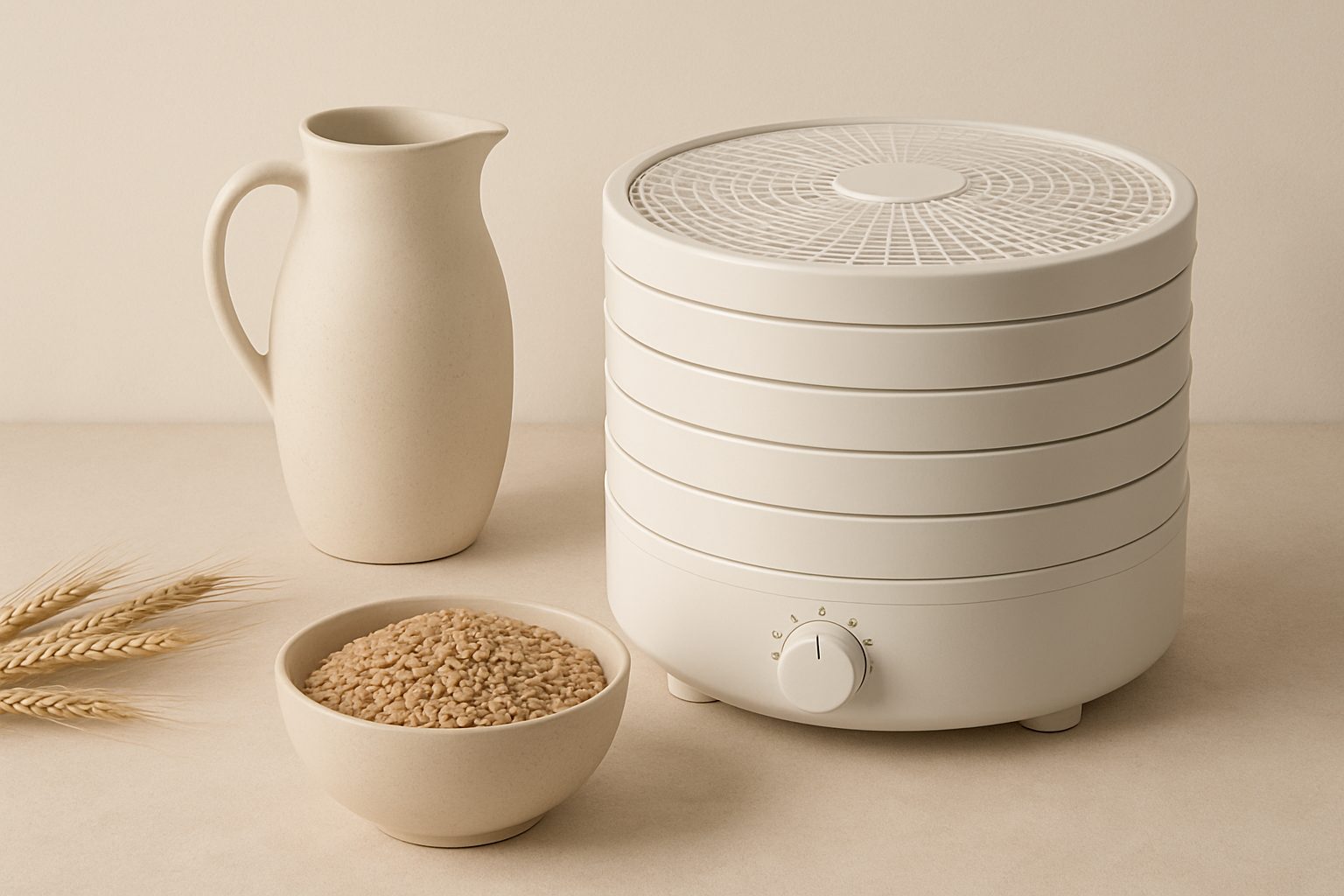
Amazon holds the obvious convenience advantage: quick delivery, generous returns, and broad visibility of customer reviews. You'll find small batch dryers (10–50 kg capacity) readily available, often from Asian manufacturers, typically priced £200–£800. Some are basic electric dehydrators repurposed for grain; others are purpose-built DIY dryers in modular form.
The catch: most Amazon listings offer minimal technical detail about drying curves, temperature control precision, or whether they suit different grain types. Many lack UK seller support—you're dealing with warehouse fulfilment and overseas customer service if something fails mid-harvest. Returns can be hassle-free in theory, but getting a replacement quickly during harvest season is unreliable. Quality varies wildly; some units work well, others overheat unevenly or have cheap thermostats that drift.
Amazon works best if you want a small, budget-conscious first dryer to test the concept, and you're buying from a seller with strong UK-based feedback.
Specialist Agricultural Suppliers
Companies like AGCO, Rolls-Royce Agricultural (grain dryer agents), and regional farm machinery dealers stock purpose-built grain dryers from established manufacturers—Sukup, Ceca, and GSI for larger units; smaller dryers from European makers like Riello or Westrup. These units start around £1,500 for compact models and run to £5,000+ for semi-commercial capacity.
The advantage: you get expert advice tailored to your crop, climate, and intended scale. A good dealer will discuss moisture targets, airflow requirements, fuel costs, and whether you need natural-air drying or heated-air. They understand the UK growing season, regional humidity, and local grain varieties. Warranties are proper. After-sales support exists locally. The machines are designed for reliability, not price-cutting.
The drawback: higher upfront cost, longer lead times (4–8 weeks typical), and you're committing to a specific supplier for servicing. If your local dealer closes or changes brands, you're somewhat locked in. For small-scale home growers, the capital investment might feel excessive.
Contact the Agricultural Industries Confederation (AIC) for a directory of approved dealers, or search "grain dryer supplier" plus your county—most major regions have at least one specialist within 50 miles.
Farm Shops & Farmer's Markets
Some larger farm shops and farmer's markets host equipment vendors or local agricultural engineers who build or resell grain dryers. This is a mixed bag. You might find a local maker offering custom dryers at reasonable prices, or encounter overpriced hobby equipment with no warranty.
The upside: you can see and touch the equipment before buying, discuss your specific needs in person, and potentially negotiate. Local makers often offer better-customised solutions than off-the-shelf models.
The downside: inconsistent availability, variable quality control, and limited recourse if something goes wrong. Farmer's market vendors are usually there one day a week and may not be reachable during the off-season.
This route suits you only if you've identified a specific maker with a solid reputation locally (ask other grain growers, check online farming forums).
eBay & Second-Hand Options
Used grain dryers appear on eBay, Gumtree, and specialist farm equipment resale sites. Prices are tempting—£400–£1,200 for commercial or semi-commercial units that would cost three times that new. Many are from farmers upgrading to larger capacity and are mechanically sound.
Why it works: real equipment at real savings; you can often inspect before purchase or arrange a trial. Older drying units are often simpler and more repairable than modern electronics-heavy models.
Why it's risky: you have no warranty, no recourse if the seller misrepresents condition, and older units may consume more fuel or dry less evenly. You need mechanical know-how to spot red flags—rust inside the drying chamber, corroded heating elements, or loose bolts hint at poor maintenance. Transportation is your cost and logistics headache.
Buy second-hand only if you're mechanically confident, can inspect in person, and are purchasing from someone you can track down later if needed. Farming forums often have trusted resellers.
Making the Choice
Start with Amazon if: you're testing the concept, want minimal outlay (under £300), and have just 5–15 kg of grain annually.
Choose a specialist supplier if: you're harvesting 50+ kg yearly, want long-term reliability, need expert advice on drying curves, or intend to upgrade later. Yes, it costs more upfront, but you get a proper machine and local support.
Hunt second-hand if: you're mechanically literate, have time to view before buying, and know someone experienced to vet the machine.
Check farmer's markets if: you've identified a local maker with solid reviews or word-of-mouth credibility.
Most UK home grain growers start with a mid-range specialist supplier (£1,500–£2,500) or a trusted used unit from a neighbouring farmer—better value and reliability than Amazon's convenience suggests, and far less frustration at harvest time.
More options
- Electric Grain / Seed Dryer (Tabletop) (Amazon UK)
- Digital Grain Moisture Meter (Amazon UK)
- Airtight Food-Grade Grain Storage Buckets & Bins (Amazon UK)
- Inline Centrifugal Fan for Grain Drying (Amazon UK)
- Digital Thermostat Temperature Controller (Amazon UK)