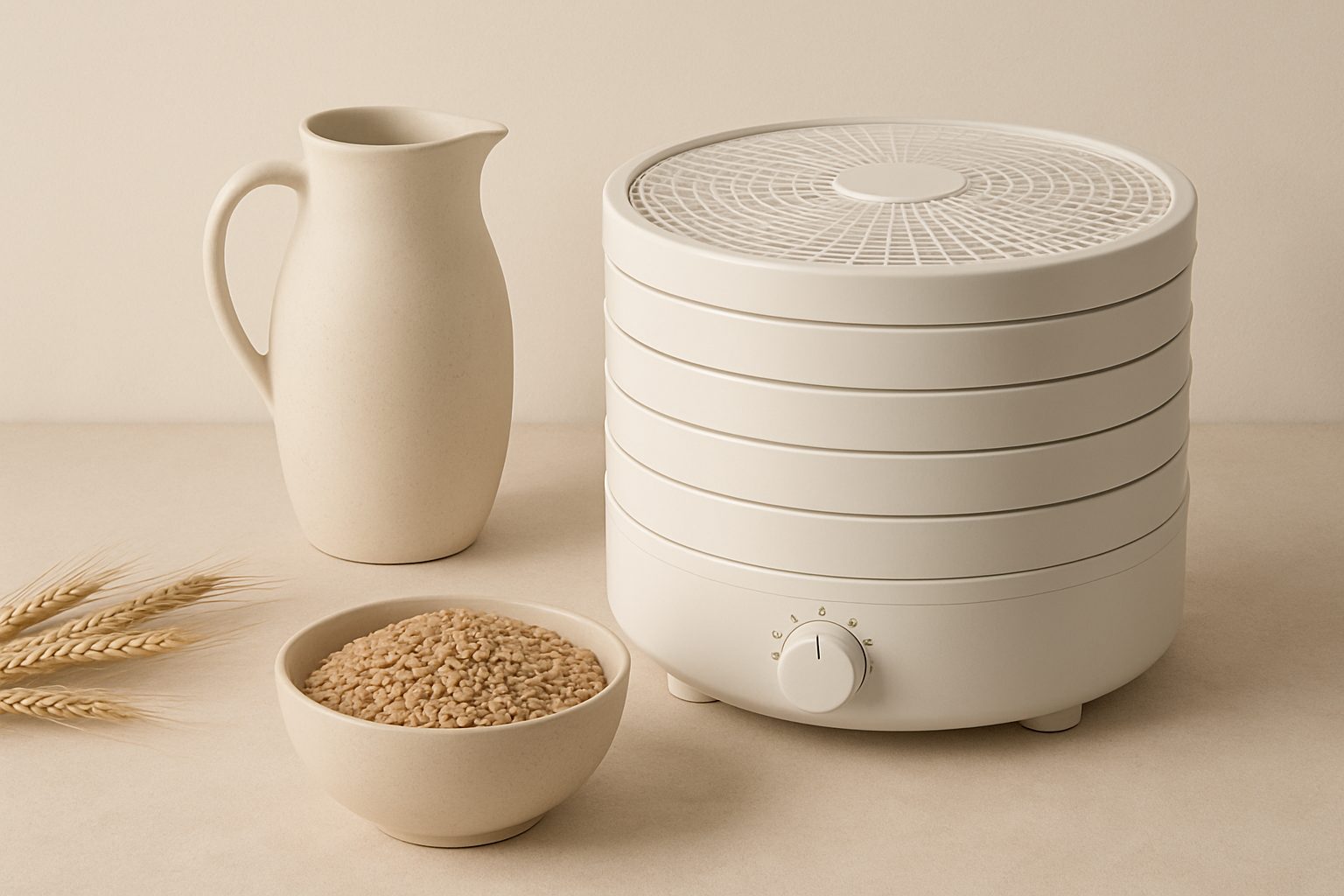
Small Grain Dryer for Smallholders UK: Complete Buyer's Guide
If you're managing a smallholding with cereal crops or seed production, grain moisture control isn't optional—it's the difference between a viable harvest and crop loss to mould and spoilage. A grain dryer sized for small-scale production can transform your post-harvest workflow, but buying the wrong unit wastes thousands on energy costs or leaves you undercapacity when harvest peaks.
This guide cuts through the marketing talk and covers what actually matters for UK smallholders farming between 0.5 and 5 acres.
Why Smallholders Need Dedicated Grain Dryers
Moisture content above 14–15% invites fungal growth, heating, and germination loss in stored grain. Open-air drying works in some years on some crops—wheat in a dry August, for instance—but it's unreliable in British weather and leaves you dependent on weather forecasts rather than a schedule.
A grain dryer gives you control. You harvest when ready, dry to safe storage moisture in hours or days, and protect your grain quality regardless of whether October is dry or sodden.
For smallholders, the payoff isn't always about volume sold. It's about consistency: keeping seed pure, avoiding contamination loss, and being able to plan your season without staring at the sky.
Sizing for Your Acreage
Capacity matters far more than you'd think. Most smallholders underestimate their drying load because they forget to account for peak harvest days, not just average throughput.
0.5–1 acre: A 5–10 tonne-per-hour dryer handles a single day's harvest comfortably. Barley and oats dry faster than wheat; allow longer for hybrid seed crops.
1–2 acres: Aim for 10–20 tonne/hour. This lets you finish a crop in 2–3 days even in damp conditions and handle multiple crop types without backlog.
2–5 acres: 20–50 tonne/hour is realistic. At this scale, an undersized dryer becomes a bottleneck that cascades into storage and market timing problems.
These figures assume single-pass drying. If you're drying from field moisture (18–25%) down to storage moisture (12–14%), you'll move grain slower than marketing specs suggest—often 20–30% slower in cool, humid conditions.
Electric vs. Gas Dryers
Electric dryers are common in smaller units (5–20 tonne/hour). Advantages: low upfront cost (£3,000–£8,000), simple installation, minimal maintenance. Downsides: high running costs (3–5 kW continuous operation), potential circuit load issues on older farm electrics, slower drying rates in cold weather.
Work out the math before buying. At 13p per kWh, running a 4 kW dryer continuously costs roughly £1.50 per hour. For a 20-tonne load at 15 tonne/hour, that's two hours and £3 in electricity alone. Scale that across a 50-tonne harvest and electric running costs can reach £100–£200 for a single crop.
Gas dryers (LPG or mains) start around £6,000–£12,000 but are more efficient over volume. They dry faster and cost 40–60% less to run. The catch: installation requires gas certification, a safe storage facility, and annual safety checks. For smallholders drying consistently across multiple crops, the payback is usually within 2–3 seasons.
Combination units (electric plus gas backup) exist but are rare in small-scale kit and add cost without always justifying it.
Recommended Grain Dryer Brands for UK Smallholders
Sukup and Westeel Rosco dominate UK commercial supply. Sukup units are reliable workhorses; you'll find used models at farm auctions regularly, which is a hint about their durability. Expect £8,000–£15,000 new for small-to-medium capacity.
Ceres supplies smaller kit aimed at farm co-operatives and smallholders. Their units are less famous but well-engineered; spares are available through UK agricultural wholesalers.
Local fabricators shouldn't be dismissed. Several UK engineers build bespoke small dryers from quality components. They're harder to find but worth contacting local farm engineering firms if standard brands don't fit your budget or space.
Avoid 'hobby' dryers under £2,000. They're slow, inefficient, and often fail mid-season when you need them most.
Essential Accessories and Installation
A dryer alone is only part of the system:
- Grain augers or conveyors: Moving wet grain by shovel is labour-intensive and loses quality. A 3–5 tonne/hour auger (£800–£2,000) pays for itself in time saved.
- Moisture meter: Non-negotiable. A calibrated electronic meter (£50–£200) tells you when grain is safe to store. Guessing costs more in spoilage than the meter ever will.
- Cooling bin or aeration floor: Hot grain straight from the dryer is prone to re-absorption if ambient humidity is high. A simple aeration floor or dedicated cooling bin (£1,500–£4,000) prevents condensation loss.
- Dust collection: Grain dryers generate significant dust. A cyclone or bag filter (£300–£1,000) protects the dryer and is a health requirement if you're drying regularly.
- Weather shelter: Drying grain outside UK weather is hopeless. A simple three-sided shelter or polytunnel (£2,000–£5,000) protects your dryer and feed system.
Running Costs and Payback
A mid-range 15 tonne/hour electric dryer costs roughly:
- Electricity: £1–£1.50 per tonne (depending on fuel cost and starting moisture)
- Maintenance: £200–£400 per year (filters, seals, labour)
- Fuel (if gas): £0.50–£0.80 per tonne
For a smallholder drying 50 tonnes annually, annual running cost is around £75–£100 (gas) or £150–£200 (electric). Adding equipment maintenance brings the total to £250–£400 per year.
Justification comes from quality preservation (fewer tonnes lost to mould), market timing (drying when prices favour you rather than when the weather permits), and seed integrity if you're saving seed or selling to breed.
Practical Installation Tips
Install your dryer under cover or with a weatherproof frame. UK rain will find grain dust and create paste. Ensure your drying floor is level; standing water and uneven settling cause grain bridges and uneven drying.
Position the dryer close to your grain collection point and storage. Every 50 metres of auger run adds cost and handling loss.
Invest in a simple logbook: record starting moisture, drying time, and final moisture for each batch. After one season you'll know your dryer's real performance and can cost drying accurately.
Final Word
A grain dryer sized correctly for your acreage and crops is a tool that works for years with minimal fuss. Start with a size slightly larger than you think you need—small-scale drying improves quality when you're not rushed, and future crops or contract work might expand your throughput. A properly maintained dryer from a known supplier will dry safely, efficiently, and reliably across a 10–15 year lifespan.
More options
- Electric Grain / Seed Dryer (Tabletop) (Amazon UK)
- Digital Grain Moisture Meter (Amazon UK)
- Airtight Food-Grade Grain Storage Buckets & Bins (Amazon UK)
- Inline Centrifugal Fan for Grain Drying (Amazon UK)
- Digital Thermostat Temperature Controller (Amazon UK)